

Updated:
Originally Published:
________________________________________________________________________________________________
ORLANDO, Fla. – Innovation rarely happens fast in the electric utility industry due to its high-stakes, risk-averse nature where reliability and affordability are the top two concerns. However, with shifting loads, shrinking workforces, and severe weather on the rise, both these priorities are at risk. Utilities can no longer afford not to innovate if they are going to meet current and future demands.
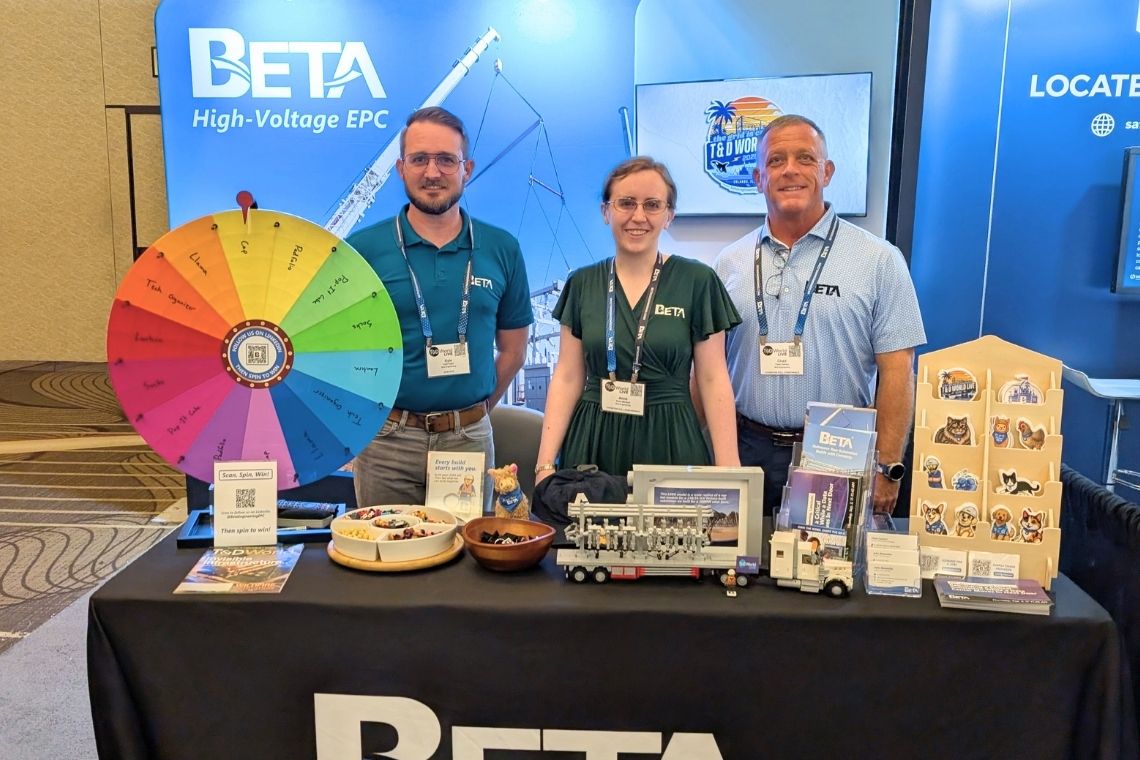
That’s where conversations like those at T&D World Live come into play. At the 2026 T&D World Live conference Sep. 1–3, utilities and their vendor and contractor partners discussed the adoption of new tools and technologies, the risks silos pose for utility organizations and the adoption of technology, and how to build the case for innovation. Beta Engineering also co-presented on a panel with American Electric Power and Lancium about how the three teams successfully completed a complex utility station rebuild while connecting a 1GW data center project that arrived partway through the rebuild.
Many of the topics, software, and services covered during the tradeshow and conference focused on reliability and resilience. These included weather monitoring, predictive vegetation management, non-intrusive subsurface mapping, digital twins for substations, conductor innovation, and even private utility cell networks.
As one panelist pointed out, extending usable life for even a small asset, such as wood poles, can have a massive impact across a utility’s system and, ultimately, its budget.
The same is true for services that can make operations and maintenance activities, like tree-trimming, more efficient. What if maintenance crews only had to go out once every five years instead of annually because they already anticipated and completed pole upgrades with predictive data-driven intelligence? Fewer redundant or repeated activities quickly turn into significant cost and time savings for utilities.
AI tools and data intelligence are also helping utilities develop risk platforms for better insights to support reliability and resilience efforts.
During the conference’s opening general session “Building Grid Resilience Through Asset Intelligence, AI, and Digital Twins,” presenter Todd Conner, SVP of Distribution Operations at Xcel Energy, explained that the focus of technology should be to save time and improve actions. Don’t wait for perfection before you start using data, but at the same time, don’t outsource your critical thinking. Utilities should ask themselves: “Is our percent accuracy higher with this tool than without it?”
In addition to identifying the right technologies to use and how to adopt them, another hurdle many utilities face is overcoming departmental silos, especially related to sharing data. Shared data is a critical part of building out effective data-driven initiatives like what AI tools and predictive software programs rely on. Utilities must make innovation easy and create shared ecosystems for this to succeed.
Another silo that can create barriers is when utilities get too focused on individual programs (ex. vegetation management or wood pole programs). Instead, they should focus on performance, repeatability, and the overall outcome they’re pursuing.
The data that utilities already have is also important for building the case to invest in new technologies. Presentations throughout the conference suggested finding ways to aggregate this data instead of slivering or siloing it where different groups can't see it. When identifying whether historical data is worth gathering or future data worth tracking, presenters recommended making sure it will drive decisions, not just become a data dump.
Ask Yourself: How Is This Technology Going to Help My Utility in This Area?
Building the case for a new tool, technology, process, or capital spend looks different for every utility. One example from Alabama Power Director of Data Analytics Shane Powell was how Alabama Power evaluated the cost of vegetation management in areas that were heavily forested and mountainous. In some cases, the higher initial cost of undergrounding transmission line could save on long-term maintenance costs and increase reliability and resilience. Being able to measure and predict the upfront investment versus long-term operational and predicted outage costs is a necessary step to making better decisions and getting public utility commission and stakeholder buy-in.
American Electric Power, Lancium, and Beta Engineering co-presented at T&D World Live about a joint project where AEP and Beta completed a brownfield substation rebuild and pivoted to connect Lancium’s data center that arrived mid-project.
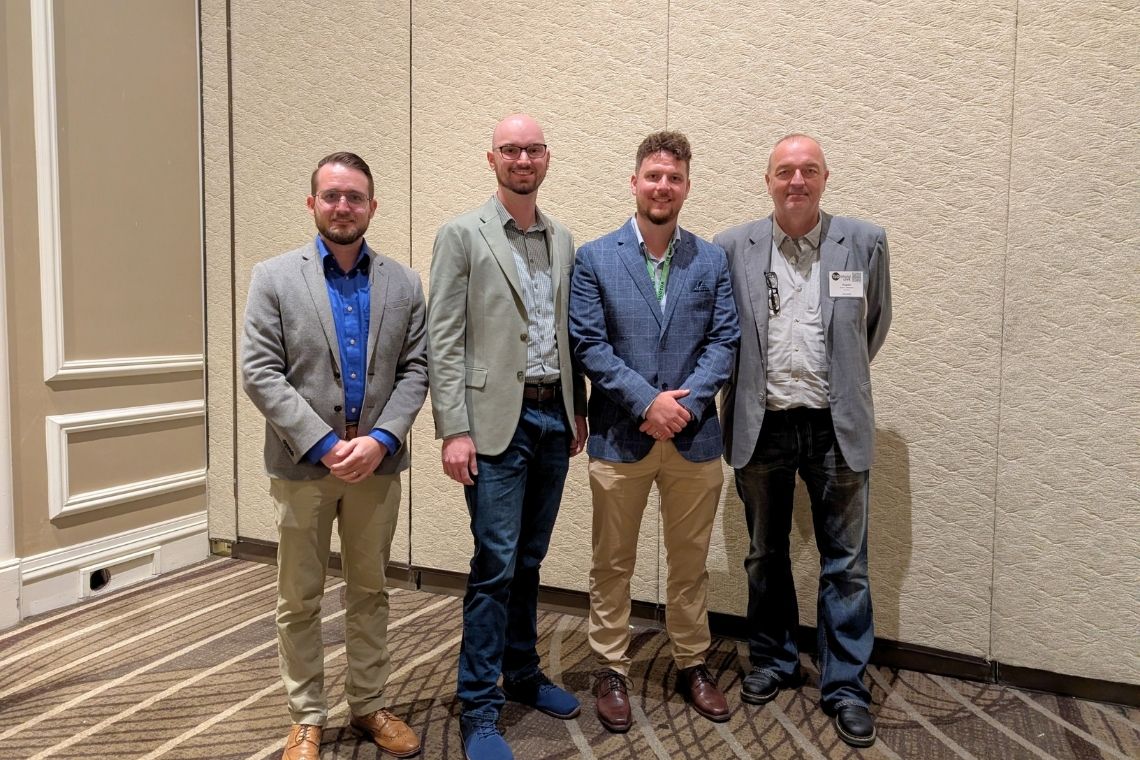
During the presentation, they covered the challenges that come with rebuilding a 40-year-old substation (ex. interfacing with different eras of relay panels) and planning outages around summer and winter moratoriums for both 138kV and 345kV lines. They also explained how the original planned ring bus design made the station expandable to the breaker-and-a-half scheme that was needed once the data center project arrived next door.
Read AEP transmission project manager Forrest Farson’s Q&A with T&D World about the project.
One of the biggest anticipated changes—which generated buzz during a session when it came up—is industry standards for resilience. IEEE task forces and working groups are developing guides and frameworks for defining resilience metrics. The IEEE Power & Energy Society Task Force on Power System Resilience Metrics and Evaluation Methods co-authored a technical report, “Power System Resilience Metrics and Evaluation Methods,” which was published earlier this year. While reliability has industry measurements, metrics, and standards that utilities can choose from, resilience currently doesn’t, and each utility currently creates and handles its own resilience standards and guidelines.
Adapting to change and adopting new technology presents a big hurdle, no matter the location or size of the utility. As T&D World Live moderator Ben Lanz commented during the opening general session, “We want to use cutting-edge technology that's been proven for 40 years.”
That’s why the conversations and connections that happen at utility industry events like T&D World Live, Southeastern Electric Exchange, and IEEE PES T&D are critical. They help utilities share lessons learned, identify and make the case for new technologies, and set what will be the new standard as challenges and opportunities evolve. Through these conversations, utilities at the forefront of the industry can test technology and shape what will be the new normal for utilities across the U.S. in the years ahead.
No matter what changes come, though, from tools and processes to new standards, the mission for electric utilities remains the same: serve, connect, and protect. Remembering that mission—why utilities, vendors, and contractors in the power grid space do what they do—is the frame that has and will continue to shape conversations about emerging technology and innovation for the grid.
Beta Engineering, a substation EPC company based in Pineville, La., performs projects across the U.S. For more than 50 years, utilities, renewable developers, and other power delivery companies have trusted Beta Engineering to help design and build the substations and switchyards that keep their systems reliable and ready for what’s next.
Tell us what challenges you’re facing. Let’s solve them together.
Updated:
September 16, 2026
Updated:
Originally Published:
________________________________________________________________________________________________
ORLANDO, Fla. – Innovation rarely happens fast in the electric utility industry due to its high-stakes, risk-averse nature where reliability and affordability are the top two concerns. However, with shifting loads, shrinking workforces, and severe weather on the rise, both these priorities are at risk. Utilities can no longer afford not to innovate if they are going to meet current and future demands.
That’s where conversations like those at T&D World Live come into play. At the 2026 T&D World Live conference Sep. 1–3, utilities and their vendor and contractor partners discussed the adoption of new tools and technologies, the risks silos pose for utility organizations and the adoption of technology, and how to build the case for innovation. Beta Engineering also co-presented on a panel with American Electric Power and Lancium about how the three teams successfully completed a complex utility station rebuild while connecting a 1GW data center project that arrived partway through the rebuild.
Many of the topics, software, and services covered during the tradeshow and conference focused on reliability and resilience. These included weather monitoring, predictive vegetation management, non-intrusive subsurface mapping, digital twins for substations, conductor innovation, and even private utility cell networks.
As one panelist pointed out, extending usable life for even a small asset, such as wood poles, can have a massive impact across a utility’s system and, ultimately, its budget.
The same is true for services that can make operations and maintenance activities, like tree-trimming, more efficient. What if maintenance crews only had to go out once every five years instead of annually because they already anticipated and completed pole upgrades with predictive data-driven intelligence? Fewer redundant or repeated activities quickly turn into significant cost and time savings for utilities.
AI tools and data intelligence are also helping utilities develop risk platforms for better insights to support reliability and resilience efforts.
During the conference’s opening general session “Building Grid Resilience Through Asset Intelligence, AI, and Digital Twins,” presenter Todd Conner, SVP of Distribution Operations at Xcel Energy, explained that the focus of technology should be to save time and improve actions. Don’t wait for perfection before you start using data, but at the same time, don’t outsource your critical thinking. Utilities should ask themselves: “Is our percent accuracy higher with this tool than without it?”
In addition to identifying the right technologies to use and how to adopt them, another hurdle many utilities face is overcoming departmental silos, especially related to sharing data. Shared data is a critical part of building out effective data-driven initiatives like what AI tools and predictive software programs rely on. Utilities must make innovation easy and create shared ecosystems for this to succeed.
Another silo that can create barriers is when utilities get too focused on individual programs (ex. vegetation management or wood pole programs). Instead, they should focus on performance, repeatability, and the overall outcome they’re pursuing.
The data that utilities already have is also important for building the case to invest in new technologies. Presentations throughout the conference suggested finding ways to aggregate this data instead of slivering or siloing it where different groups can't see it. When identifying whether historical data is worth gathering or future data worth tracking, presenters recommended making sure it will drive decisions, not just become a data dump.
Ask Yourself: How Is This Technology Going to Help My Utility in This Area?
Building the case for a new tool, technology, process, or capital spend looks different for every utility. One example from Alabama Power Director of Data Analytics Shane Powell was how Alabama Power evaluated the cost of vegetation management in areas that were heavily forested and mountainous. In some cases, the higher initial cost of undergrounding transmission line could save on long-term maintenance costs and increase reliability and resilience. Being able to measure and predict the upfront investment versus long-term operational and predicted outage costs is a necessary step to making better decisions and getting public utility commission and stakeholder buy-in.
American Electric Power, Lancium, and Beta Engineering co-presented at T&D World Live about a joint project where AEP and Beta completed a brownfield substation rebuild and pivoted to connect Lancium’s data center that arrived mid-project.
During the presentation, they covered the challenges that come with rebuilding a 40-year-old substation (ex. interfacing with different eras of relay panels) and planning outages around summer and winter moratoriums for both 138kV and 345kV lines. They also explained how the original planned ring bus design made the station expandable to the breaker-and-a-half scheme that was needed once the data center project arrived next door.
Read AEP transmission project manager Forrest Farson’s Q&A with T&D World about the project.
One of the biggest anticipated changes—which generated buzz during a session when it came up—is industry standards for resilience. IEEE task forces and working groups are developing guides and frameworks for defining resilience metrics. The IEEE Power & Energy Society Task Force on Power System Resilience Metrics and Evaluation Methods co-authored a technical report, “Power System Resilience Metrics and Evaluation Methods,” which was published earlier this year. While reliability has industry measurements, metrics, and standards that utilities can choose from, resilience currently doesn’t, and each utility currently creates and handles its own resilience standards and guidelines.
Adapting to change and adopting new technology presents a big hurdle, no matter the location or size of the utility. As T&D World Live moderator Ben Lanz commented during the opening general session, “We want to use cutting-edge technology that's been proven for 40 years.”
That’s why the conversations and connections that happen at utility industry events like T&D World Live, Southeastern Electric Exchange, and IEEE PES T&D are critical. They help utilities share lessons learned, identify and make the case for new technologies, and set what will be the new standard as challenges and opportunities evolve. Through these conversations, utilities at the forefront of the industry can test technology and shape what will be the new normal for utilities across the U.S. in the years ahead.
No matter what changes come, though, from tools and processes to new standards, the mission for electric utilities remains the same: serve, connect, and protect. Remembering that mission—why utilities, vendors, and contractors in the power grid space do what they do—is the frame that has and will continue to shape conversations about emerging technology and innovation for the grid.
Beta Engineering, a substation EPC company based in Pineville, La., performs projects across the U.S. For more than 50 years, utilities, renewable developers, and other power delivery companies have trusted Beta Engineering to help design and build the substations and switchyards that keep their systems reliable and ready for what’s next.
Tell us what challenges you’re facing. Let’s solve them together.
Related Services:


